
Category: Buy Viagra Online
Showing the single result
-
Price range: $362.00 through $782.00Select options This product has multiple variants. The options may be chosen on the product page
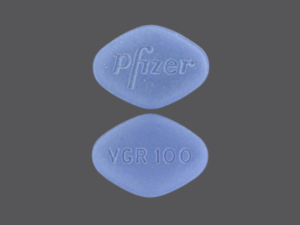
Viagra 100 mg: Uses, Dosage, Side Effects & Safety Information
Viagra 100 mg is a prescription medicine containing sildenafil citrate, a medicine used to treat erectile dysfunction (ED) in adult men. Erectile dysfunction is a common condition in which a man has difficulty getting or maintaining an erection that is firm enough for satisfactory sexual activity.
Sildenafil belongs to a group of medicines known as phosphodiesterase type 5 (PDE5) inhibitors. It works by increasing blood flow to the penis when a man is sexually stimulated, helping make it easier to achieve and maintain an erection.
Viagra does not automatically cause an erection and does not increase sexual desire. Sexual stimulation is still necessary for the medicine to work.
Viagra 100 mg is a relatively strong tablet strength and may not be appropriate as an initial dose for every patient. The correct dose depends on individual factors such as age, overall health, other medicines, medical conditions, and response to treatment. It should be taken only as directed by a qualified healthcare professional.
What Is Viagra 100 mg?
Viagra 100 mg contains 100 mg of sildenafil citrate and is designed to treat erectile dysfunction in adult men.
Erections occur when sexual stimulation causes increased blood flow into the erectile tissues of the penis. An enzyme called PDE5 helps break down a substance known as cyclic guanosine monophosphate (cGMP), which is involved in relaxing blood vessels and allowing blood to flow into the penis.
Sildenafil inhibits PDE5, allowing cGMP activity to remain elevated for longer. This can improve blood flow to the penis during sexual stimulation and help produce an erection.
Viagra is not an aphrodisiac and does not create sexual desire on its own. It is intended to support the physical process involved in achieving an erection.
What Is Viagra Used For?
Viagra is primarily used to treat erectile dysfunction.
ED can have many potential causes, including cardiovascular conditions, diabetes, hormonal changes, certain medications, psychological factors, stress, anxiety, and lifestyle-related factors. Persistent erectile difficulties can sometimes be an early sign of an underlying health problem.
A healthcare professional may therefore assess overall health and medical history before recommending sildenafil.
Successful treatment with Viagra may help a man achieve an erection suitable for sexual activity when he is sexually stimulated. However, individual responses vary, and sildenafil does not treat the underlying cause of every case of erectile dysfunction.
How Does Viagra Work?
Sildenafil works by inhibiting the PDE5 enzyme.
During sexual stimulation, nitric oxide is released in the erectile tissue of the penis. This stimulates the production of cGMP, which relaxes smooth muscle and allows increased blood flow into the penis.
PDE5 breaks down cGMP. By inhibiting PDE5, sildenafil helps maintain cGMP activity and supports increased blood flow during sexual stimulation.
This mechanism means Viagra does not normally cause an erection without sexual stimulation. The medicine helps the body’s natural erectile response rather than creating sexual arousal.
Viagra 100 mg Dosage
The appropriate sildenafil dose varies between individuals. Although Viagra is available in a 100 mg strength, 100 mg is not necessarily the appropriate starting dose.
A healthcare professional may consider factors including:
- Age
- Overall health
- Severity and frequency of erectile difficulties
- Response to previous sildenafil treatment
- Other medicines being taken
- Cardiovascular health
- Liver or kidney function
- Previous side effects from PDE5 inhibitors
Viagra should be taken exactly according to the prescribed instructions. Do not take more than the recommended amount in an attempt to obtain a stronger or longer-lasting effect.
Sildenafil is generally taken before anticipated sexual activity. The timing of administration depends on the individual and the specific product instructions. It should not be taken more frequently than recommended.
A high-fat meal may delay the onset of action of sildenafil compared with taking it on an empty stomach.
If you are unsure how or when to take Viagra, ask your doctor or pharmacist rather than adjusting the dose yourself.
How Long Does Viagra Take to Work?
Sildenafil commonly begins to have an effect within a relatively short period after administration, although the exact timing varies from person to person.
Sexual stimulation is required for sildenafil to produce its intended effect. Factors such as food intake, general health, anxiety, level of sexual stimulation, and other medicines can influence the experience.
Viagra is not designed to produce a continuous erection. Its purpose is to support erectile function during sexual stimulation.
If sildenafil does not appear to work adequately, do not take an additional tablet without medical advice. A healthcare professional can determine whether the dose, timing, underlying cause, or another treatment option should be considered.
Common Side Effects of Viagra
Like all medicines, sildenafil can cause side effects. Many are mild and temporary, but patients should understand what to expect and when medical attention may be required.
Common side effects may include:
- Headache
- Facial flushing
- Indigestion
- Nasal congestion
- Dizziness
- Nausea
- Changes in vision
- Muscle or back pain
Vision changes may include a temporary alteration in color perception or increased sensitivity to light. If vision changes are severe, persistent, or accompanied by other concerning symptoms, seek medical advice.
If side effects are troublesome or continue after taking sildenafil, speak with a healthcare professional.
Serious Side Effects and Warnings
Serious side effects with sildenafil are uncommon, but some require immediate medical attention.
One of the most important warnings concerns priapism, a prolonged or painful erection lasting more than four hours. Priapism is a medical emergency because prolonged erection can cause permanent damage to penile tissue. Emergency medical treatment should be sought immediately if this occurs.
Seek urgent medical attention if you experience:
- An erection lasting more than four hours
- Sudden loss of vision
- Sudden loss or significant reduction of hearing
- Severe allergic symptoms
- Fainting or severe dizziness
- Chest pain or other symptoms suggesting a serious cardiovascular problem
Sildenafil can lower blood pressure. This effect is particularly important when it is combined with medicines that also lower blood pressure or with nitrate medicines.
Viagra and Nitrates
Viagra must not be taken with nitrate medicines.
Nitrates are commonly used to treat angina and certain other cardiovascular conditions. Examples include medicines containing nitroglycerin or isosorbide.
Combining sildenafil with nitrates can cause a dangerous and potentially life-threatening drop in blood pressure.
If you use nitrate medication or have been advised to carry nitrate medicine for chest pain, tell your healthcare professional before taking Viagra.
If chest pain occurs after taking sildenafil, seek emergency medical assistance and tell the medical team that you have taken sildenafil. Do not take nitrate medication unless a healthcare professional specifically determines that it is safe.
Viagra and Other Medicines
Sildenafil can interact with other prescription medicines, over-the-counter products, and supplements.
Tell your doctor or pharmacist if you use:
- Nitrate medicines
- Alpha-blockers
- Blood pressure medicines
- Certain antifungal medicines
- Certain antibiotics
- HIV medicines containing protease inhibitors
- Other PDE5 inhibitors
- Medicines used to treat pulmonary hypertension
- Herbal or dietary supplements
Some medicines can increase the concentration of sildenafil in the bloodstream, potentially increasing the risk of side effects. Others can alter how sildenafil works.
Do not combine Viagra with another medicine for erectile dysfunction unless specifically instructed by a healthcare professional.
Viagra and Alcohol
Alcohol can temporarily reduce sexual performance and may make it more difficult to achieve or maintain an erection. It can also contribute to dizziness and lower blood pressure.
Although moderate alcohol consumption does not necessarily prevent sildenafil from working, drinking large amounts of alcohol while using Viagra may increase the likelihood of dizziness, reduced blood pressure, and difficulty achieving an erection.
For the safest approach, limit alcohol and follow your healthcare professional’s advice.
Who Should Not Take Viagra?
Viagra is not suitable for everyone.
Before using sildenafil, tell your healthcare professional if you have:
- Heart disease or a history of heart attack
- Angina or other chest pain
- Low or uncontrolled high blood pressure
- A history of stroke
- Serious liver or kidney problems
- Certain eye conditions
- A history of priapism
- Penile anatomical abnormalities
- Blood disorders such as sickle cell disease
- Certain forms of leukemia or multiple myeloma
- Allergies to sildenafil or any ingredient in the medicine
Patients with cardiovascular disease may need an assessment of whether sexual activity itself is medically appropriate before treatment for ED is prescribed.
Viagra and Heart Health
Sexual activity increases physical exertion and may place additional demands on the cardiovascular system.
For men with certain heart conditions, recent cardiovascular events, or unstable symptoms, a healthcare professional should assess cardiovascular fitness before treatment with sildenafil.
ED itself can sometimes be associated with cardiovascular risk factors. Persistent erectile difficulties should therefore not always be treated solely as a sexual-health issue.
Managing conditions such as high blood pressure, diabetes, high cholesterol, obesity, and cardiovascular disease may also improve overall sexual health.
Viagra for Older Adults
Older adults may be able to use sildenafil when medically appropriate, but individual factors should be considered carefully.
Age-related changes in metabolism, kidney function, liver function, cardiovascular health, and the use of other medicines may affect how sildenafil is tolerated.
A healthcare professional may recommend a lower starting dose for certain older patients or for people taking medicines that increase sildenafil exposure.
Do not assume that Viagra 100 mg is appropriate simply because it is a commonly available strength.
Viagra and Women
Viagra is indicated for erectile dysfunction in adult men. It is not intended as a general sexual-performance medicine for women.
Women who experience sexual difficulties should speak with a qualified healthcare professional because sexual dysfunction can have many different physical, hormonal, psychological, and medication-related causes requiring an appropriate assessment.
Viagra During Pregnancy and Breastfeeding
Viagra is not intended for use by women for erectile dysfunction. If sildenafil is being considered for another medical indication, such as pulmonary hypertension, the treatment decision should be made by a specialist based on the specific condition.
Pregnant or breastfeeding individuals should not use sildenafil unless it has been specifically prescribed for an appropriate medical reason by a healthcare professional.
Can Viagra Be Taken Every Day?
The appropriate dosing schedule depends on the prescribed treatment and individual circumstances.
Standard Viagra for erectile dysfunction is generally taken when needed rather than repeatedly throughout the day. It should not be taken more than once within the recommended dosing period.
There are also different sildenafil formulations and dosing approaches used for other medical conditions. These should not be confused with Viagra used for erectile dysfunction.
Always follow the instructions for the exact product prescribed to you.
What Happens If You Take Too Much Viagra?
Taking more sildenafil than prescribed can increase the risk and severity of side effects.
Possible symptoms of excessive sildenafil exposure may include severe headache, flushing, dizziness, low blood pressure, visual disturbances, rapid heartbeat, or prolonged erection.
Taking multiple tablets does not necessarily produce a better erectile response and can instead increase the risk of harm.
If you believe you have taken significantly more sildenafil than recommended, seek medical advice or emergency assistance, particularly if serious symptoms occur.
Frequently Asked Questions About Viagra 100 mg
What is Viagra 100 mg used for?
Viagra 100 mg contains sildenafil and is used to treat erectile dysfunction in adult men. It helps improve blood flow to the penis during sexual stimulation, making it easier to achieve and maintain an erection.
Does Viagra increase sexual desire?
No. Viagra does not directly increase sexual desire or libido. Sexual stimulation is required for sildenafil to support an erection.
How long does Viagra last?
The effects of sildenafil can continue for several hours, although the duration varies between individuals. It does not mean that an erection will last continuously during this period.
Can I take Viagra every day?
Do not take Viagra more frequently than prescribed. Standard sildenafil treatment for ED is generally used as needed. A healthcare professional can advise whether a different dosing strategy is appropriate for you.
Can Viagra be taken with food?
Sildenafil can be taken with or without food. However, a high-fat meal may delay how quickly the medicine begins to work.
Can Viagra be taken with other ED medicines?
Do not combine Viagra with other PDE5 inhibitors or other erectile-dysfunction medicines unless a healthcare professional specifically tells you to do so. Combining treatments can increase the risk of low blood pressure and other adverse effects.
Can Viagra cause a permanent erection?
Viagra is not intended to cause a continuous erection. However, a prolonged erection lasting more than four hours, known as priapism, is a medical emergency and requires immediate treatment.
Can women take Viagra?
Viagra is indicated for erectile dysfunction in adult men. Women should not use it for sexual enhancement unless sildenafil has been specifically prescribed for another medical condition.
Does Viagra protect against sexually transmitted infections?
No. Viagra does not protect against HIV or other sexually transmitted infections and does not function as contraception. Appropriate barrier protection should be used when needed.
Important Safety Information
Viagra 100 mg is a prescription medicine and should be used only according to professional medical advice. The 100 mg strength may not be suitable for every patient, and taking more sildenafil does not necessarily produce a better result.
Never take Viagra with nitrate medicines because the combination can cause a dangerous drop in blood pressure. Tell your healthcare professional about all medicines and supplements you use, particularly blood pressure medicines, alpha-blockers, certain antifungals, antibiotics, and HIV treatments.
Avoid taking Viagra with other erectile-dysfunction medicines unless specifically advised by a healthcare professional.
Seek emergency medical attention for an erection lasting longer than four hours, sudden vision or hearing loss, severe allergic symptoms, fainting, or serious cardiovascular symptoms.
Responsible Use of Viagra 100 mg
Viagra 100 mg can be an effective treatment option for men with erectile dysfunction when it is appropriately prescribed and used. Sildenafil works by supporting the body’s natural erectile response during sexual stimulation rather than creating sexual desire on its own.
For safe treatment, take Viagra exactly as directed, avoid dangerous medication combinations, and discuss any cardiovascular or other significant health conditions with your healthcare professional. Do not increase the dose if the medicine does not produce the desired result.
Persistent erectile dysfunction deserves proper medical evaluation because it can sometimes be associated with conditions such as diabetes, cardiovascular disease, hormonal problems, or medication side effects.
If you are experiencing erectile difficulties or are unsure whether sildenafil is suitable for you, consult a qualified doctor or pharmacist. They can assess your health, review potential interactions, determine an appropriate dose, and discuss other treatment options when necessary.