
Category: Buy Oxycodone Online
Showing all 8 results
-
Price range: $337.00 through $817.00Select options This product has multiple variants. The options may be chosen on the product page

-
Price range: $357.00 through $809.00Select options This product has multiple variants. The options may be chosen on the product page

-
Price range: $367.00 through $847.00Select options This product has multiple variants. The options may be chosen on the product page

-
Price range: $377.00 through $877.00Select options This product has multiple variants. The options may be chosen on the product page
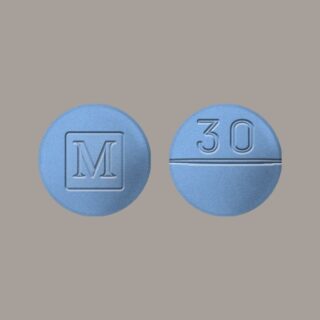
-
Price range: $387.00 through $887.00Select options This product has multiple variants. The options may be chosen on the product page

-
Price range: $327.00 through $817.00Select options This product has multiple variants. The options may be chosen on the product page

-
Price range: $397.00 through $857.00Select options This product has multiple variants. The options may be chosen on the product page

-
Price range: $427.00 through $857.00Select options This product has multiple variants. The options may be chosen on the product page

Oxycodone Medication Guide: Uses, Benefits, Safety Information, and Important Facts
Oxycodone is a well-known opioid medication used in medical settings to help manage moderate to severe pain. It belongs to a class of medicines called opioid analgesics, which work by interacting with specific receptors in the brain and nervous system to reduce the way the body experiences pain. Because of its effectiveness, oxycodone has become an important option for pain management when other treatments may not provide enough relief.
This category page provides a detailed overview of oxycodone, including what it is, how it works, common uses, available forms, potential side effects, safety considerations, and other important information patients should understand before using this medication.
What Is Oxycodone?
Oxycodone is a prescription opioid medication designed to relieve pain by changing how the brain and nervous system respond to pain signals. It is commonly used when pain is severe enough to require an opioid-based treatment approach and when other pain-relief options may not be effective.
Healthcare professionals may prescribe oxycodone for short-term pain following certain medical procedures or injuries, as well as for certain long-term pain conditions where ongoing pain management is necessary. Because oxycodone affects the central nervous system, it requires careful medical supervision.
Oxycodone is available in different formulations, including immediate-release and extended-release versions. Each type is designed for different pain management needs and should only be used according to medical guidance.
How Does Oxycodone Work?
Oxycodone works by attaching to opioid receptors located in the brain, spinal cord, and other areas of the nervous system. These receptors play a role in controlling pain perception and emotional responses to pain.
When oxycodone activates these receptors, it can:
- Reduce the intensity of pain signals traveling through the nervous system
- Change how the brain interprets pain sensations
- Provide relief for certain types of moderate to severe pain
Although oxycodone can be effective for pain relief, it can also affect other body functions. This is why proper medical guidance and responsible use are essential.
Common Uses of Oxycodone
Oxycodone is primarily used for pain management. Doctors may consider it in situations where pain is significant and requires stronger medication.
Common medical uses may include:
Pain After Surgery or Medical Procedures
After some surgeries, patients may experience significant discomfort during recovery. In certain cases, oxycodone may be used as part of a pain management plan to help improve comfort while the body heals.
Injury-Related Pain
Serious injuries, such as fractures or trauma-related conditions, may cause intense pain. Healthcare providers may prescribe opioid medications like oxycodone when appropriate.
Chronic Pain Conditions
Some individuals living with ongoing pain conditions may receive opioid medications as part of a broader treatment approach. Long-term opioid therapy requires careful monitoring because of potential risks associated with continued use.
Types and Forms of Oxycodone
Oxycodone is available in several forms and strengths. The specific type prescribed depends on factors such as the severity of pain, treatment goals, and individual medical needs.
Immediate-Release Oxycodone
Immediate-release formulations are designed to provide pain relief more quickly. They are generally used when pain occurs suddenly or requires short-term management.
Extended-Release Oxycodone
Extended-release formulations are designed to release medication gradually over a longer period. They are typically considered for certain patients who require continuous pain control under medical supervision.
Different formulations are not interchangeable, and patients should always follow the instructions provided by their healthcare provider.
Oxycodone Dosage Information
The appropriate oxycodone dosage varies from person to person. Healthcare providers determine dosage based on several factors, including:
- The severity and type of pain
- Previous exposure to opioid medications
- Overall health condition
- Other medicines being used
- Individual response to treatment
Patients should never adjust their oxycodone dosage without medical advice. Taking more than recommended can increase the risk of serious complications.
Benefits of Oxycodone for Pain Management
When used appropriately under medical supervision, oxycodone may provide several benefits for individuals experiencing significant pain.
Potential benefits include:
- Effective reduction of moderate to severe pain
- Improved ability to perform daily activities during recovery
- Better comfort during certain medical conditions
- Support for pain management plans when other options are insufficient
However, the benefits of oxycodone must always be considered alongside its possible risks.
Common Side Effects of Oxycodone
Like many medications, oxycodone may cause side effects. Some effects are mild and may improve as the body adjusts, while others may require medical attention.
Common side effects may include:
- Drowsiness
- Dizziness
- Nausea
- Vomiting
- Constipation
- Dry mouth
- Tiredness
Patients should discuss ongoing or uncomfortable side effects with a healthcare professional.
Serious Risks and Safety Concerns
Oxycodone can cause serious health risks, especially when misused or combined with certain substances. Because it affects the central nervous system, it may slow breathing and cause dangerous reactions in some situations.
Important safety concerns include:
Risk of Dependence
Repeated use of opioid medications can lead to physical dependence. This means the body may adapt to the medication over time.
Risk of Misuse
Using oxycodone in a way that is different from medical instructions can increase the risk of harmful effects. It should only be used by the person it was prescribed for.
Breathing Problems
High doses or unsafe combinations with other substances can increase the risk of slowed or difficult breathing, which can be a medical emergency.
Oxycodone and Drug Interactions
Oxycodone may interact with other medications, supplements, or substances. These interactions can change how the medication works or increase the possibility of side effects.
Patients should inform healthcare providers about all medicines they are taking, including:
- Other pain medications
- Sleep medicines
- Anxiety medications
- Muscle relaxants
- Alcohol use
- Certain antidepressants or other nervous system medicines
A complete medication history helps healthcare professionals create safer treatment plans.
Who Should Be Careful When Using Oxycodone?
Certain individuals may require additional medical evaluation before using oxycodone.
Extra caution may be needed for people with:
- Breathing disorders
- Liver or kidney problems
- A history of substance-related concerns
- Certain mental health conditions
- Other medical conditions affecting medication processing
A healthcare professional can determine whether oxycodone is appropriate based on individual circumstances.
Oxycodone Storage and Handling Information
Proper storage helps prevent accidental use and protects others from accessing medication improperly.
General storage recommendations include:
- Keep medication in a secure location
- Store it away from children and others
- Avoid sharing medication with anyone else
- Follow local guidelines for unused medication disposal
Safe handling is an important part of responsible medication use.
Understanding Responsible Oxycodone Use
Responsible use means taking oxycodone exactly as directed by a healthcare professional and following all safety recommendations.
Important practices include:
- Taking the medication only as prescribed
- Avoiding changes to dosage without medical advice
- Discussing concerns with a healthcare provider
- Reporting unusual reactions or side effects
- Following safety instructions carefully
Responsible use helps maximize potential benefits while reducing risks.
Frequently Asked Questions About Oxycodone
What is oxycodone used for?
Oxycodone is used to help manage moderate to severe pain when other pain-relief approaches may not provide sufficient relief. It is generally prescribed as part of a medically supervised pain management plan.
Is oxycodone a strong pain medication?
Yes, oxycodone is considered a strong opioid pain medication. Because it affects the central nervous system, it requires careful use and professional guidance.
How long does oxycodone work?
The duration of oxycodone’s effects depends on the specific formulation, dosage, and individual factors. Immediate-release and extended-release versions are designed differently.
Can oxycodone cause side effects?
Yes. Possible side effects include drowsiness, nausea, constipation, dizziness, and other reactions. Serious effects should receive immediate medical attention.
Can oxycodone be taken with other medications?
Oxycodone may interact with other medicines and substances. Patients should always inform their healthcare provider about all medications they use.
Final Thoughts on Oxycodone
Oxycodone is an effective opioid medication used in medical settings for managing certain types of moderate to severe pain. While it can provide meaningful pain relief, it also carries important safety considerations that require responsible use and professional oversight.
Understanding how oxycodone works, its potential benefits, possible side effects, and safety precautions can help patients make informed decisions about their pain management options. Anyone using or considering oxycodone should consult a qualified healthcare professional for personalized medical guidance.