
Category: Buy Tapentadol Online
Showing all 2 results
-
Price range: $399.00 through $1,198.00Select options This product has multiple variants. The options may be chosen on the product pageSale!
-
Price range: $370.00 through $819.00Select options This product has multiple variants. The options may be chosen on the product page
Aspadol (Tapentadol 100 mg): Uses, Dosage, Side Effects & Safety Information
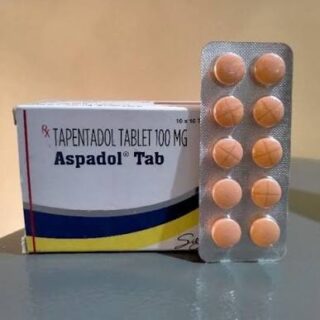
Aspadol 100 mg contains tapentadol, a prescription pain-relieving medicine used for the management of certain types of moderate to severe pain when treatment with an appropriate opioid analgesic is considered necessary. Tapentadol acts on the central nervous system through two complementary mechanisms, helping reduce the perception and transmission of pain.
Because tapentadol is an opioid analgesic with a potential for misuse, dependence, addiction, overdose, and serious breathing problems, it should only be used under the supervision of a qualified healthcare professional. The 100 mg strength is not appropriate for everyone, and the correct dose depends on the patient’s medical condition, previous exposure to pain medicines, other medications, age, and overall health.
Patients should take Aspadol exactly as prescribed and should never increase the dose, use it more frequently, or combine it with alcohol or other sedating medicines without medical advice.
What Is Aspadol 100 mg?
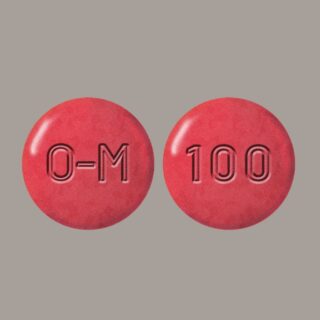
Aspadol 100 mg is a tablet containing 100 mg of tapentadol, an opioid analgesic. Tapentadol is centrally acting and is used to relieve certain forms of moderate to severe pain.
Unlike some traditional opioid pain medicines, tapentadol has two principal pharmacological actions. It acts as a mu-opioid receptor agonist and also inhibits the reuptake of norepinephrine. Together, these actions influence pain signaling within the central nervous system.
The medicine is available in different strengths and formulations, and the instructions for one tapentadol product may not apply to another. In particular, immediate-release and extended-release formulations have different uses and dosing schedules. Patients should use only the formulation and strength specifically prescribed for them.
What Is Tapentadol Used For?
Tapentadol may be prescribed for moderate to severe pain when a healthcare professional determines that an opioid analgesic is appropriate.
Depending on the formulation and local prescribing guidelines, tapentadol may be used for certain acute or ongoing pain conditions. Some tapentadol formulations are also used for specific types of neuropathic pain associated with diabetic peripheral neuropathy.
Treatment decisions depend on the cause, intensity, and duration of pain, as well as the patient’s previous treatment and risk factors.
Pain management may involve more than medication. Depending on the underlying condition, a healthcare professional may recommend physical therapy, rehabilitation, non-opioid pain medicines, lifestyle measures, or treatment directed at the source of the pain.
How Does Tapentadol Work?
Tapentadol reduces pain through two complementary mechanisms.
First, it activates mu-opioid receptors in the central nervous system. Activation of these receptors changes how the brain and spinal cord process pain signals.
Second, tapentadol inhibits the reuptake of norepinephrine, increasing its availability in the nervous system. This contributes to its effects on certain pain pathways, particularly pathways involved in the modulation of pain.
Because tapentadol acts on the central nervous system, it can also cause effects such as sleepiness, dizziness, impaired concentration, and slowed reaction time. These effects are important considerations when driving or operating machinery.
Aspadol 100 mg Dosage
The appropriate tapentadol dose is determined individually by the prescribing healthcare professional. The 100 mg strength should not be interpreted as a standard starting dose for every patient.
Doctors consider factors such as:
- The severity and type of pain
- Whether the patient has previously taken opioids
- Age and general health
- Liver and kidney function
- Other medicines being taken
- Previous response to pain treatment
- Individual risk of opioid-related adverse effects
Tapentadol should be taken exactly as prescribed. Patients should never take additional tablets because the prescribed dose does not appear to provide enough relief.
If the medication is supplied as an extended-release formulation, it must be taken according to the specific instructions for that formulation. Extended-release tablets generally should not be crushed, broken, or chewed unless the product information specifically permits it, because altering a modified-release medicine can affect how the drug is released.
If you miss a dose, follow the instructions provided by your healthcare professional or pharmacist. Do not take extra medicine to compensate for a missed dose.
Common Side Effects of Aspadol
Tapentadol can cause side effects, particularly when treatment begins or when the dose is changed. Some effects may become less noticeable as the body adjusts, but persistent or troublesome symptoms should be discussed with a healthcare professional.
Common side effects can include:
- Nausea
- Vomiting
- Dizziness
- Drowsiness
- Headache
- Constipation
- Dry mouth
- Fatigue
- Abdominal discomfort
Because tapentadol can reduce alertness and impair coordination, patients should be cautious when performing activities requiring concentration.
Constipation is a common opioid-related problem. Patients who develop persistent or severe constipation should discuss appropriate management with their healthcare professional rather than taking additional medicines without advice.
Serious Side Effects and Warnings
Tapentadol can cause potentially serious adverse effects. One of the most important risks associated with opioid medicines is respiratory depression, in which breathing becomes unusually slow or shallow.
The risk may be particularly high after starting treatment, following an increase in dosage, or when tapentadol is combined with alcohol, benzodiazepines, other opioids, or other medicines that depress the central nervous system.
Seek emergency medical assistance if someone taking tapentadol develops:
- Very slow, shallow, or difficult breathing
- Extreme sleepiness or inability to wake
- Loss of consciousness
- Severe confusion
- Blue or gray lips or fingertips
- Seizures
- Severe allergic symptoms
Tapentadol can also cause dizziness and a drop in blood pressure in some patients, which may increase the risk of falls.
Risk of Misuse, Addiction, and Dependence
Tapentadol is an opioid medication and has a recognized potential for misuse, addiction, physical dependence, and overdose.
Physical dependence and addiction are not identical. A person can develop physical dependence during appropriate medical treatment, while addiction involves compulsive use and difficulty controlling use despite harmful consequences.
The risk of misuse may be greater in people with a personal or family history of substance-use disorders. Tell your healthcare professional if you have previously experienced problems with alcohol, prescription medicines, or other substances.
Never take tapentadol prescribed for another person. Do not use it to produce sedation, relaxation, or other effects unrelated to its prescribed medical purpose.
Aspadol and Alcohol
Alcohol can significantly increase the effects of tapentadol on the central nervous system. Combining alcohol with an opioid can result in excessive sedation, impaired coordination, loss of consciousness, dangerously slow breathing, coma, or death.
For this reason, alcohol should generally be avoided while taking tapentadol unless your healthcare professional specifically provides different advice.
This warning also applies to products containing alcohol and to recreational substances that may have sedating effects.
Tapentadol and Other Medicines
Tapentadol can interact with a number of prescription medicines, over-the-counter products, and other substances.
Particularly important interactions can occur with:
- Benzodiazepines and other sedatives
- Other opioid pain medicines
- Sleeping medicines
- Certain antidepressants
- Other medicines that affect serotonin or norepinephrine
- Alcohol
- Other central nervous system depressants
Combining tapentadol with medicines that increase serotonin can, in some circumstances, contribute to serotonin syndrome, a potentially serious condition involving symptoms such as agitation, confusion, sweating, fever, rapid heartbeat, muscle rigidity, tremor, or abnormal reflexes.
Patients should provide their doctor or pharmacist with a complete list of all medicines, supplements, and other substances they use before starting tapentadol.
Tapentadol and Driving
Aspadol may cause drowsiness, dizziness, blurred concentration, and slower reaction times. These effects can impair the ability to drive safely or operate machinery.
Do not drive or perform hazardous activities until you know how tapentadol affects you and your healthcare professional has confirmed that such activities are appropriate.
The risk of impairment may be greater when tapentadol is combined with alcohol, sedatives, or other medicines that cause drowsiness.
Who Should Use Tapentadol With Caution?
Tapentadol is not suitable for everyone. Before prescribing it, a healthcare professional should evaluate the patient’s medical history and current medications.
Tell your doctor if you have:
- Breathing problems or chronic respiratory disease
- Sleep apnea or other sleep-related breathing problems
- Liver or kidney problems
- A history of seizures
- Head injury or increased pressure within the brain
- Low blood pressure
- A history of substance misuse or dependence
- Problems with alcohol use
- Mental health conditions
- Severe abdominal or gastrointestinal problems
- Allergies to tapentadol or other opioid medicines
Older adults may be more sensitive to opioid-related effects such as dizziness, sedation, confusion, and falls. Additional caution and monitoring may therefore be appropriate.
Tapentadol During Pregnancy and Breastfeeding
Tell your healthcare professional if you are pregnant, planning to become pregnant, or breastfeeding.
Regular opioid use during pregnancy can lead to physical dependence in a newborn and may result in neonatal withdrawal after birth. Opioid exposure close to delivery can also cause breathing difficulties or other problems in a newborn.
Tapentadol can pass into breast milk and may potentially affect a breastfed infant. Healthcare professionals should assess the benefits and risks before recommending tapentadol during breastfeeding.
Do not start, stop, or change opioid treatment during pregnancy or breastfeeding without medical guidance.
Stopping Tapentadol Treatment
Physical dependence can develop with continued opioid use. As a result, stopping tapentadol suddenly after prolonged treatment may cause withdrawal symptoms.
Possible withdrawal symptoms can include:
- Anxiety or restlessness
- Sweating
- Insomnia
- Runny nose
- Muscle aches
- Abdominal cramps
- Nausea or vomiting
- Diarrhea
- Increased heart rate
- Irritability
Patients who have been taking tapentadol regularly should not discontinue treatment abruptly unless instructed to do so for an urgent medical reason. A healthcare professional can determine whether the dose should be reduced gradually and establish an appropriate discontinuation plan.
Storage and Safe Handling
Store Aspadol according to the instructions provided with the medicine and keep it in a secure place away from children, visitors, and anyone for whom it was not prescribed.
Because tapentadol is an opioid with misuse potential, avoid leaving tablets where other people can access them.
Do not share unused tablets. Dispose of unwanted or expired opioid medication through an appropriate medication take-back or disposal service where available.
Frequently Asked Questions About Aspadol 100 mg
What is Aspadol 100 mg used for?
Aspadol 100 mg contains tapentadol, an opioid analgesic used to manage certain forms of moderate to severe pain when prescribed by a healthcare professional. The appropriate use depends on the specific formulation and individual patient circumstances.
Is Aspadol an opioid?
Yes. Tapentadol is a centrally acting opioid analgesic. It also inhibits norepinephrine reuptake, giving it a second mechanism that contributes to its analgesic effects.
Is 100 mg of tapentadol a high dose?
The suitability of a 100 mg dose depends on the individual patient and the formulation prescribed. It should not be considered an appropriate dose for everyone. Patients should never adjust their dose without medical advice.
Can I take Aspadol with alcohol?
Alcohol can dangerously increase the sedative and respiratory-depressant effects of tapentadol. Avoid combining the two unless your healthcare professional specifically advises otherwise.
Can I take Aspadol with sleeping tablets?
Some sleeping medicines and sedatives can interact dangerously with tapentadol. Combining central nervous system depressants can increase the risk of profound sedation, respiratory depression, coma, and death. Always discuss your medication list with your doctor or pharmacist.
Does Aspadol cause constipation?
Yes. Constipation is a common effect of opioid medicines, including tapentadol. If constipation becomes persistent or severe, speak with your healthcare professional about appropriate management.
Can Aspadol cause dependence?
Yes. Tapentadol can cause physical dependence and has a potential for misuse and addiction. The risk can increase with prolonged use, higher doses, or use outside the prescribed treatment plan.
Can I drive after taking Aspadol?
Tapentadol may cause drowsiness, dizziness, and impaired reaction time. Avoid driving or operating machinery until you know how the medicine affects you and have received appropriate medical advice.
What should I do if I take too much tapentadol?
An overdose can cause severe sleepiness, loss of consciousness, dangerously slow or difficult breathing, seizures, coma, and death. If an overdose is suspected, seek emergency medical assistance immediately rather than waiting for symptoms to worsen.
Important Safety Information
Aspadol (tapentadol) is a prescription opioid medicine that should be used only under appropriate medical supervision. Take it exactly as prescribed and do not increase the dose or frequency without speaking with your healthcare professional.
Avoid alcohol and discuss all other medicines with your doctor or pharmacist before starting treatment. Particular caution is required when tapentadol is combined with benzodiazepines, other opioids, sleeping medicines, or other central nervous system depressants.
Patients should also tell their healthcare professional about any history of breathing problems, seizures, liver or kidney disease, substance misuse, or other significant medical conditions.
Seek emergency medical attention for severe drowsiness, inability to wake, slow or difficult breathing, loss of consciousness, seizures, or other signs of overdose or serious allergic reaction.
Responsible Use of Aspadol 100 mg
Aspadol 100 mg may have an important role in the management of appropriately selected patients with moderate to severe pain. However, because tapentadol is an opioid, treatment requires careful consideration of potential benefits and risks.
Safe use means taking only the prescribed formulation and dose, avoiding dangerous drug combinations, storing the medication securely, and attending follow-up appointments as recommended. Patients should never use tapentadol for recreational purposes or take medicine prescribed for someone else.
If your pain is not adequately controlled, do not increase your dose yourself. Contact your healthcare professional so that the cause of the pain, current treatment, and potential alternatives can be reassessed.
If you are considering tapentadol treatment, speak with a qualified doctor or pharmacist. They can determine whether it is appropriate for your condition and provide individualized advice about dosage, duration of treatment, interactions, side effects, and safe discontinuation.