
Category: Buy Percocet Online
Showing all 5 results
-
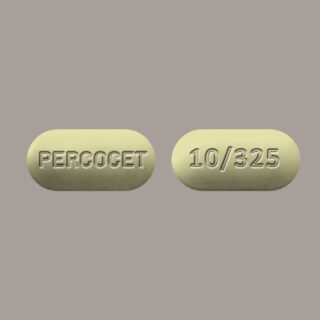
Price range: $377.00 through $807.00Select options This product has multiple variants. The options may be chosen on the product page
-
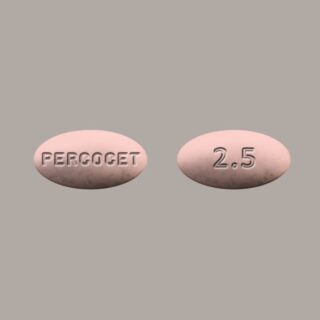
Price range: $327.00 through $657.00Select options This product has multiple variants. The options may be chosen on the product page
-
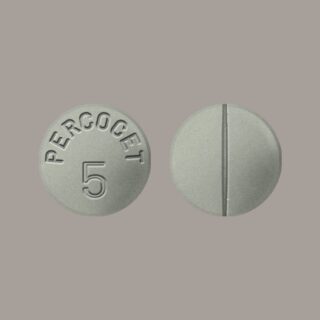
Price range: $337.00 through $657.00Select options This product has multiple variants. The options may be chosen on the product page
-
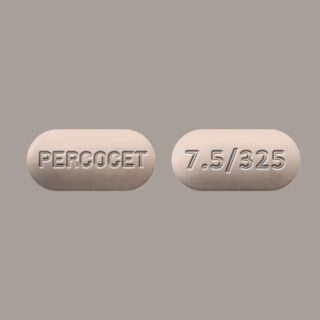
Price range: $347.00 through $657.00Select options This product has multiple variants. The options may be chosen on the product page
-
Price range: $357.00 through $757.00Select options This product has multiple variants. The options may be chosen on the product page
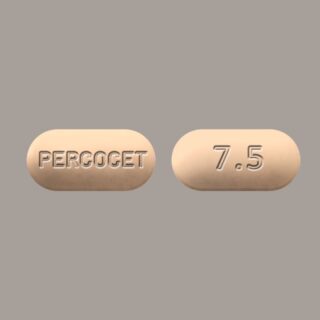
Percocet: Uses, Ingredients, Benefits, Dosage Information, and Safety Guide
Understanding Percocet
Percocet is a prescription pain-relief medication that is commonly discussed in the treatment of moderate to severe pain. It contains a combination of two active ingredients: oxycodone and acetaminophen. Oxycodone belongs to a group of medicines known as opioid analgesics, while acetaminophen is a non-opioid pain reliever that can enhance pain control.
Because Percocet affects the central nervous system, it is generally used when other pain management options may not provide enough relief. Healthcare professionals carefully evaluate the patient’s condition, medical history, and pain level before recommending this type of medication.
This guide provides detailed information about Percocet, including how it works, common uses, available strengths, possible side effects, precautions, and important safety considerations.
What Is Percocet?
Percocet is a combination medication designed to provide stronger pain relief by targeting pain signals in different ways. The oxycodone component works by attaching to specific receptors in the brain and nervous system, helping reduce the perception of pain. Acetaminophen supports pain relief and may also help reduce fever.
The combination of these two ingredients allows Percocet to address pain through multiple mechanisms. However, because oxycodone is an opioid medication, it requires careful medical supervision due to risks associated with misuse, dependence, and other serious effects.
How Does Percocet Work?
Percocet works by changing how the body processes and responds to pain signals. When oxycodone enters the bloodstream, it interacts with opioid receptors in the brain and spinal cord. These receptors play a role in controlling the sensation of pain.
Acetaminophen works differently. Although its exact mechanism is not fully understood, it is believed to reduce pain signals in the nervous system and influence pathways involved in pain and inflammation.
Together, these ingredients provide a stronger pain-relieving effect compared with using either ingredient alone.
What Is Percocet Used For?
Percocet is primarily used for managing moderate to severe pain when a healthcare provider determines that opioid therapy is appropriate.
Some situations where Percocet may be considered include:
- Pain following certain surgical procedures
- Severe injuries or trauma-related pain
- Short-term treatment of intense pain conditions
- Other situations where alternative pain treatments are not sufficient
The exact reason for using Percocet depends on individual medical needs. A healthcare professional determines whether this medication is appropriate based on factors such as pain severity, health history, and other medications being used.
Percocet Ingredients Explained
Understanding the ingredients in Percocet helps explain how the medication provides pain relief.
Oxycodone
Oxycodone is an opioid medication that works on the central nervous system. It helps reduce the intensity of pain by altering how the brain and body respond to painful sensations.
Because oxycodone can affect brain chemistry, it may also cause effects such as drowsiness, relaxation, or feelings of well-being. These effects contribute to its potential for misuse and dependence.
Acetaminophen
Acetaminophen is a widely used pain reliever and fever reducer. It enhances the overall pain-relieving effects of oxycodone when combined in Percocet.
However, taking too much acetaminophen can lead to serious liver problems. It is important to follow medical guidance and avoid combining multiple acetaminophen-containing products without professional advice.
Common Percocet Strengths
Percocet is available in different strengths, which refer to the amount of oxycodone and acetaminophen contained in each tablet. The appropriate strength depends on the patient’s condition and the healthcare provider’s assessment.
Different formulations may contain varying amounts of:
- Oxycodone hydrochloride
- Acetaminophen
A healthcare provider determines the suitable option based on pain severity, previous medication use, and individual response to treatment.
Benefits of Percocet for Pain Management
When used appropriately under medical supervision, Percocet can provide several benefits for people experiencing significant pain.
Some potential benefits include:
Effective Pain Relief
Percocet can help reduce moderate to severe pain by targeting pain pathways in the nervous system.
Combination Therapy Approach
The combination of oxycodone and acetaminophen allows two different pain-relieving ingredients to work together.
Improved Daily Function
For some patients, effective pain control may help improve mobility, sleep quality, and the ability to perform daily activities while recovering from an injury or medical procedure.
Possible Side Effects of Percocet
Like all medications, Percocet may cause side effects. The likelihood and severity of side effects can vary depending on factors such as dosage, health conditions, and individual sensitivity.
Common side effects may include:
- Drowsiness
- Dizziness
- Nausea
- Vomiting
- Constipation
- Dry mouth
- Fatigue
Some people may experience more serious reactions requiring immediate medical attention.
Serious Risks and Safety Concerns
Percocet contains oxycodone, which belongs to the opioid class of medications. Opioids carry important safety considerations, including the possibility of misuse, dependence, and overdose.
Serious risks may include:
Breathing Problems
Opioids can slow breathing, especially when taken incorrectly or combined with other substances that affect the nervous system.
Dependence and Withdrawal
Regular use of opioid medications can lead to physical dependence. Stopping suddenly after long-term use may cause withdrawal symptoms.
Liver Damage Risk
Because Percocet contains acetaminophen, taking excessive amounts may increase the risk of liver injury.
Precautions Before Using Percocet
Before starting Percocet, patients should discuss their complete medical history with a healthcare professional.
Important information to share may include:
- History of breathing problems
- Liver conditions
- Previous substance-related concerns
- Current medications or supplements
- Allergies or medication reactions
A healthcare provider can determine whether Percocet is a suitable option and provide guidance for safer use.
Percocet and Drug Interactions
Percocet may interact with other medications, supplements, or substances. Certain combinations can increase the risk of serious side effects.
Examples of substances that may require caution include:
- Other opioid medications
- Alcohol
- Sedatives
- Certain anxiety medications
- Sleep medicines
Always inform a healthcare provider about all medications being used to reduce the risk of harmful interactions.
Percocet Dosage Information
The appropriate Percocet dosage varies from person to person. Factors that influence dosage decisions include:
- The severity of pain
- Previous exposure to opioid medications
- Age and overall health
- Other medical conditions
- Response to treatment
Patients should only use Percocet according to directions provided by a qualified healthcare professional. Changing the amount or frequency without guidance may increase health risks.
How Long Does Percocet Stay in the Body?
The time Percocet remains in the body can vary based on several factors, including metabolism, liver function, frequency of use, and dosage.
Oxycodone and acetaminophen are processed differently by the body. Some effects may wear off within several hours, but traces of medication may remain longer.
Individual factors play an important role in how quickly the body removes medication.
Percocet Storage and Handling
Proper storage helps maintain medication safety.
General storage recommendations include:
- Keep medication in a secure location
- Store it away from children and others who should not use it
- Avoid sharing medication with anyone else
- Follow proper disposal instructions for unused medication
Safe handling reduces the risk of accidental use or misuse.
Frequently Asked Questions About Percocet
Is Percocet an opioid medication?
Yes. Percocet contains oxycodone, which is an opioid pain medication. Because of this, it requires careful use under medical supervision.
What is the difference between Percocet and oxycodone?
Oxycodone is the opioid ingredient found in Percocet. Percocet combines oxycodone with acetaminophen, while some oxycodone medications may contain only oxycodone.
Can Percocet cause drowsiness?
Yes. Drowsiness and dizziness are among the possible side effects of Percocet. People should be cautious when performing activities that require alertness.
Can Percocet be used for long-term pain?
The suitability of long-term use depends on individual circumstances. Healthcare providers regularly evaluate the benefits and risks of continued opioid therapy.
Why is medical guidance important when using Percocet?
Because Percocet contains an opioid ingredient, professional guidance helps reduce risks related to side effects, interactions, dependence, and other safety concerns.
Final Thoughts on Percocet
Percocet is a powerful pain-relief medication that combines oxycodone and acetaminophen to help manage moderate to severe pain. While it can provide effective pain control when used appropriately, it also requires careful attention due to potential risks associated with opioid medications.
Understanding how Percocet works, its possible benefits, side effects, precautions, and safety information can help patients make informed decisions about pain management. Anyone considering this medication should consult a qualified healthcare professional for personalized advice based on their specific health needs.