
Category: Buy Hydromorphone Online
Showing all 3 results
-
Price range: $357.00 through $807.00Select options This product has multiple variants. The options may be chosen on the product page
-
Price range: $367.00 through $827.00Select options This product has multiple variants. The options may be chosen on the product page

-
Price range: $377.00 through $857.00Select options This product has multiple variants. The options may be chosen on the product page

Hydromorphone: Uses, Benefits, Dosage Information, Forms, and Safety Guide
Hydromorphone is a powerful opioid medication used in medical settings to help manage moderate to severe pain. It belongs to a class of medicines known as opioid analgesics, which work by affecting specific receptors in the brain and nervous system to reduce the way the body perceives pain. Due to its strength and potential risks, hydromorphone is typically used when other pain-relief options may not provide enough relief or when a healthcare professional determines that stronger pain management is necessary.
This category page provides an overview of hydromorphone, including its uses, available forms, how it works, common side effects, safety considerations, and important information for patients and caregivers.
What Is Hydromorphone?
Hydromorphone is a prescription opioid medication designed to relieve severe pain. It is sometimes used for pain following surgery, serious injuries, cancer-related pain, or other medical conditions where stronger pain control is required.
Hydromorphone works by attaching to opioid receptors in the central nervous system. These receptors influence pain signals, emotional responses to pain, and the body’s perception of discomfort. By modifying these signals, hydromorphone can provide significant pain relief.
Because hydromorphone is a strong opioid, it requires careful medical supervision. Healthcare providers consider factors such as pain severity, previous medication history, overall health condition, and possible risks before recommending this medication.
How Does Hydromorphone Work?
Hydromorphone works primarily by interacting with opioid receptors located in the brain, spinal cord, and other areas of the nervous system. These receptors play an important role in controlling how the body experiences pain.
When hydromorphone activates these receptors, it can:
- Reduce the intensity of pain signals sent to the brain
- Change the emotional response associated with pain
- Improve comfort during periods of severe discomfort
The medication does not remove the underlying cause of pain. Instead, it helps control pain symptoms, allowing patients to recover, rest, and participate in necessary medical care.
What Are the Main Uses of Hydromorphone?
Hydromorphone is mainly used for managing severe pain that requires opioid treatment. Doctors may prescribe it in different situations depending on the patient’s medical needs.
Hydromorphone for Severe Pain Relief
One of the primary uses of hydromorphone is treating severe pain that cannot be adequately controlled with milder pain medications. It may be considered for patients experiencing intense discomfort due to injuries, medical procedures, or serious illnesses.
Hydromorphone After Surgery
Some patients may experience significant pain following major surgical procedures. In certain cases, healthcare professionals may use opioid medications such as hydromorphone as part of a carefully monitored pain management plan.
Hydromorphone for Chronic Pain Conditions
In specific situations, hydromorphone may be used for long-term pain conditions when other approaches are not effective. Doctors usually evaluate the benefits and risks carefully before recommending ongoing opioid therapy.
Hydromorphone in Cancer Pain Management
Cancer-related pain can sometimes become severe due to the disease itself or certain treatments. Hydromorphone may be included in a comprehensive pain management approach to improve comfort and quality of life.
Different Forms of Hydromorphone
Hydromorphone may be available in several medical forms. The appropriate form depends on factors such as pain severity, treatment goals, and healthcare provider recommendations.
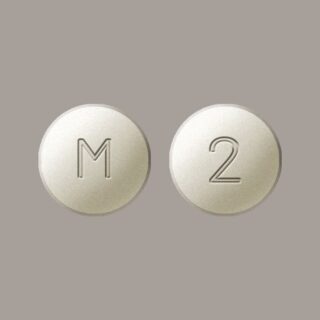
Hydromorphone Tablets
Oral tablets are one of the commonly used forms of hydromorphone. They are designed to deliver medication through the digestive system and may be used according to a healthcare professional’s instructions.
Hydromorphone Extended-Release Formulations
Some versions are designed to release medication gradually over time. These formulations are intended for specific pain management situations and require careful use because of their strength.
Injectable Hydromorphone
In hospitals and clinical environments, hydromorphone may be administered through injection when rapid pain control is needed or when a patient cannot take medication orally.
Understanding Hydromorphone Dosage
Hydromorphone dosage varies significantly from person to person. There is no single standard dose that works for everyone because individual needs depend on multiple factors.
Healthcare providers consider:
- The severity and type of pain
- Previous exposure to opioid medications
- Age and overall health
- Kidney and liver function
- Other medications being taken
- Risk factors for side effects
Patients should always follow their healthcare provider’s instructions regarding dosage and timing. Changing the amount taken without medical guidance can increase the risk of serious complications.
Common Side Effects of Hydromorphone
Like other opioid medications, hydromorphone may cause side effects. Some effects are mild and may improve as the body adjusts, while others require medical attention.
Common side effects may include:
- Drowsiness
- Dizziness
- Nausea
- Vomiting
- Constipation
- Dry mouth
- Feeling tired
- Reduced alertness
Patients should discuss ongoing or bothersome side effects with a healthcare professional.
Serious Risks and Safety Concerns
Hydromorphone can cause serious health risks, especially when not used as directed. Because it affects the central nervous system, it may slow breathing and cause dangerous complications in certain situations.
Serious risks may include:
Respiratory Depression
One of the most significant risks associated with opioid medications is slowed or difficult breathing. This risk may increase when hydromorphone is combined with alcohol, sedatives, or other substances that affect the nervous system.
Dependence and Withdrawal
Long-term use of opioid medications can lead to physical dependence. This means the body may adapt to the medication, and stopping suddenly may cause withdrawal symptoms.
Healthcare professionals typically recommend gradual changes when reducing opioid treatment to help manage withdrawal risks.
Overdose Risk
Taking more hydromorphone than prescribed can lead to overdose. Signs of a possible opioid overdose may include extreme sleepiness, slow breathing, confusion, loss of consciousness, or inability to wake up.
Emergency medical attention should be sought if overdose symptoms occur.
Hydromorphone Drug Interactions
Hydromorphone may interact with other medications and substances. These interactions can increase side effects or change how the medication works.
Important interactions may include:
Alcohol
Combining hydromorphone with alcohol can increase sedation and raise the risk of dangerous breathing problems.
Sedatives and Sleep Medications
Certain medications used for anxiety, sleep problems, or muscle relaxation may increase drowsiness and respiratory risks when combined with opioids.
Other Pain Medications
Patients should inform their healthcare provider about all pain medicines they are taking to avoid unsafe combinations.
Always provide a complete medication list to your healthcare professional before starting hydromorphone.
Who Should Use Caution With Hydromorphone?
Hydromorphone may not be suitable for everyone. Doctors carefully evaluate patients who have certain health conditions or risk factors.
Extra caution may be needed for individuals with:
- Breathing disorders
- Lung problems
- Head injuries
- Liver or kidney conditions
- History of substance-related concerns
- Certain digestive conditions
A healthcare provider can determine whether hydromorphone is appropriate based on individual circumstances.
Hydromorphone Storage and Handling
Proper storage helps prevent accidental use by others and protects medication quality.
General safety practices include:
- Store medication in a secure location
- Keep it away from children and unauthorized individuals
- Follow disposal instructions provided by healthcare professionals or local programs
- Avoid sharing medication with others
Prescription medications should only be used by the person they were prescribed for.
Hydromorphone Compared With Other Pain Medications
Hydromorphone is considered a strong opioid medication. Compared with some other pain relievers, it may provide stronger pain control but also carries greater risks that require careful monitoring.
Doctors may compare different pain management options based on:
- Pain intensity
- Patient history
- Expected treatment duration
- Side effect risks
- Overall health needs
The best medication choice depends on a healthcare provider’s assessment rather than a single factor.
Frequently Asked Questions About Hydromorphone
What is hydromorphone used for?
Hydromorphone is used to manage moderate to severe pain when stronger pain relief is needed. It may be used for conditions such as serious injuries, post-surgical pain, cancer-related pain, and other severe pain conditions.
Is hydromorphone a strong pain medication?
Yes. Hydromorphone is considered a strong opioid pain medication. Because of its potency, it requires careful medical supervision and proper use.
Can hydromorphone cause side effects?
Yes. Common side effects may include drowsiness, nausea, dizziness, constipation, and tiredness. Serious side effects can occur, especially when combined with other substances that slow the nervous system.
How should hydromorphone be taken?
Hydromorphone should be taken exactly as directed by a healthcare professional. Patients should not adjust their dose or frequency without medical advice.
Can hydromorphone be stopped suddenly?
Stopping hydromorphone suddenly after regular use may cause withdrawal symptoms. Healthcare providers often recommend a gradual reduction plan when discontinuing treatment.
Final Thoughts on Hydromorphone
Hydromorphone is an effective medication for managing severe pain when used appropriately under medical guidance. Its ability to reduce intense pain can help improve comfort and support recovery for patients with serious medical conditions.
However, because hydromorphone is a powerful opioid, it must be used responsibly. Understanding its benefits, possible side effects, interactions, and safety precautions can help patients make informed decisions about their pain management.
Anyone considering hydromorphone treatment should consult a qualified healthcare professional to determine whether it is suitable for their specific medical needs.